India and Pakistan’s Tug of War: Claims, Counterclaims, and the Kashmir Question
As the dust settles on the recent brief but intense conflict between India and Pakistan, both nations are crafting their own stories of victory while carefully deflecting any acknowledgment of losses. The US-brokered ceasefire may have halted the fighting, but both sides continue to spin the events in their favor, each presenting a narrative that supports their own national pride and political interests.
In India, the announcement of the ceasefire was met with a triumphal media frenzy. Headlines like "Pakistan Surrenders" were splashed across screens, and Defense Minister Rajnath Singh framed India’s military actions as a necessary response to terrorism following the deadly attack on tourists in Kashmir. To India, this was a message of strength and resolve against those who would destabilize the region.
Across the border, Pakistan painted a different picture, claiming a resounding victory. Prime Minister Shehbaz Sharif addressed crowds in the capital, asserting that Pakistan’s military had decisively neutralized India’s artillery in record time. The celebrations were marked by public displays of pride, including the burning of Indian Prime Minister Narendra Modi’s effigy, symbolizing Pakistan’s rejection of India’s narrative of victory.
One of the most hotly contested points between the two nations was the aerial battle. Pakistan claimed that it had shot down five Indian jets, including three of India’s prized Rafales. India denied the losses outright, but two crashes near the border and intelligence reports from France indicated that at least one Rafale may have been downed, adding credibility to Pakistan’s claims.
In retaliation, India released satellite images showing significant damage to Pakistani military bases, claiming that Indian airstrikes had crippled key infrastructure. This included radar stations and airstrips that were said to have been rendered non-functional. Pakistan dismissed these claims, accusing India of exaggerating the damage for political gain.
The ceasefire itself came unexpectedly, announced by U.S. President Donald Trump through his Truth Social platform. Behind the scenes, U.S. Secretary of State Marco Rubio and Vice President JD Vance had urged both countries to halt the fighting. While Pakistan expressed gratitude for U.S. intervention, India minimized America’s role, claiming that the agreement was the result of direct discussions between India and Pakistan.
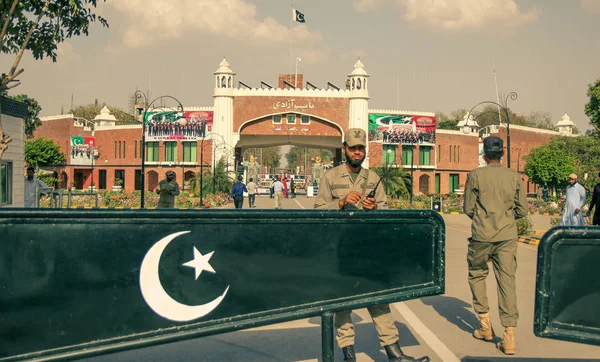
India’s reluctance to acknowledge any foreign mediation stems from its longstanding policy on Kashmir. This disputed region, claimed by both India and Pakistan, remains at the core of the rivalry. India has consistently rejected international intervention, insisting that the issue is a domestic matter. Trump’s offer to mediate a solution for Kashmir was welcomed in Pakistan but swiftly rejected in India, further demonstrating the rift between the two countries.
While the ceasefire has halted the immediate violence, it has done little to address the long-standing dispute over Kashmir. The underlying tensions remain, and until a lasting solution is reached, both nations will likely continue to engage in these periodic flare-ups. The conflict may have paused, but the deeper rivalry remains entrenched.
support us via https://sociabuzz.com/infohit/tribe
What's Your Reaction?